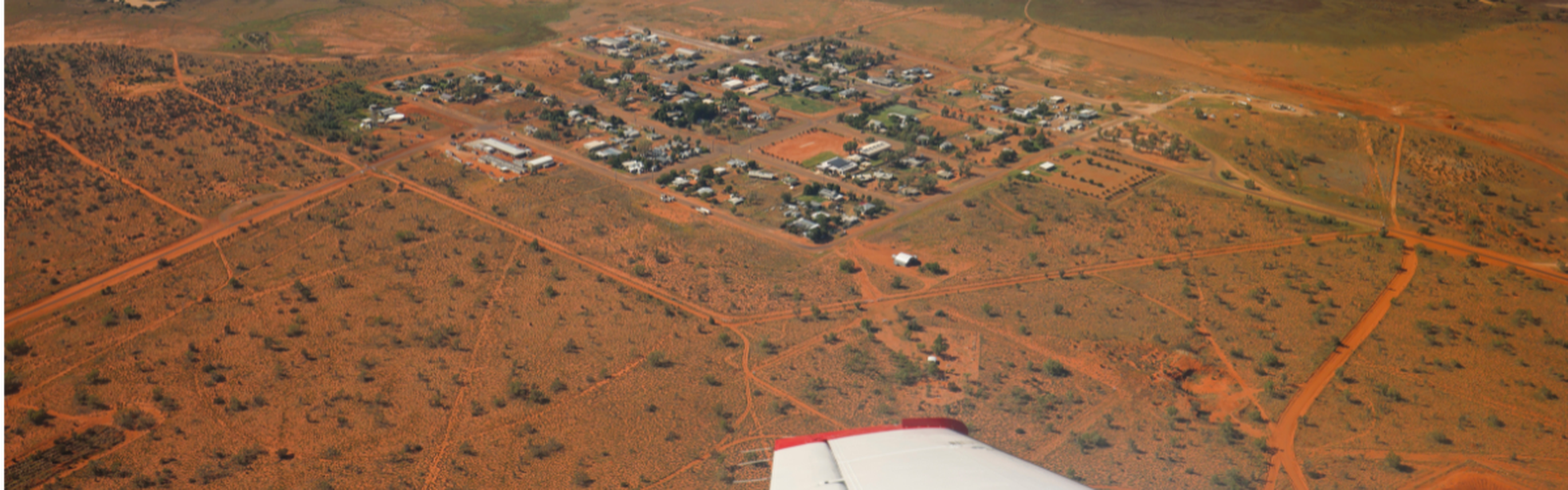
We’ve all seen the images of the Flying Doctor plane swooping in with its life saving clinicians to save the day.

It’s such a vital part of rural and regional health, TV networks have based a series around it, not once, but twice!
There’s no doubting the importance of aeromedical support across Queensland but there’s another frontline service that’s every bit as important and plays a major role in the health and wellbeing of people across the state.
Primary Health Care (PHC) continues to deliver significant, positive results to communities that would otherwise have to travel hundreds of kilometres for medical care.
In total 4,716 clinics were completed last year at around 30 locations. In all, over 22,000 consultations were completed from south west locations like Eulo, central Queensland regions such as Dajarra and as far north as Lockhart River.
Medical Lead PHC Dr Yvonne Doveren sees first hand, at every clinic, the difference the service makes.
“Good quality PHC will keep the people in the outback healthier and stop chronic issues like diabetes and heart disease from developing or progressing,” Yvonne said.
“The work our teams do leads to a better quality of life for people and in doing so, lowers health care costs in the long run.”
While PHC clinics primarily focus on the maintenance of health, they also see their fair share of critical responses.
Recently a man turned up to the Gregory Downs clinic suffering a snake bite which turned into an urgent flight to hospital.
“It’s actually very common to have an emergency happening on a clinic day whether it be a snake bite or a heart attack, these things happen,” Yvonne said.
“All PHC doctors are trained for emergency situations and along with our highly trained nurses, are prepared to deal with whatever comes their way.
“We bring around 120kg of equipment with us to our clinics which means we are prepared for anything.
“Thankfully our aeromedical retrieval colleagues are only a phone call away.”
For the PHC teams, it’s the personal connection with patients that makes all the difference.
The clinical staff get to know the people they’re treating on a personal level which Dr Doveren says can be incredibly rewarding.
“Even though we are fly in staff, we’re a little bit of the community and seeing a patient improving and sharing in that with their family, is a great reward. It makes me smile everyday.
“I started my career in a big hospital in Amsterdam and as soon as I started work in remote Australia, including the Kimberley, Aboriginal communities in the Northern Territory and here in western Queensland, it afforded me the chance to connect to the outback, its people, and practice medicine in the broadest sense of the word.
“I still love it.”